Property on Čiovo: Okrug, Slatine, Arbanija & Mastrinka
Čiovo turns up in almost every Trogir property search — often before buyers can place it on a map. It is the island directly across the bridge, home to much of the newer coastal building in the area, and its four main villages feel surprisingly different from one another. This guide is a local orientation to those differences, so you compare places rather than photographs.
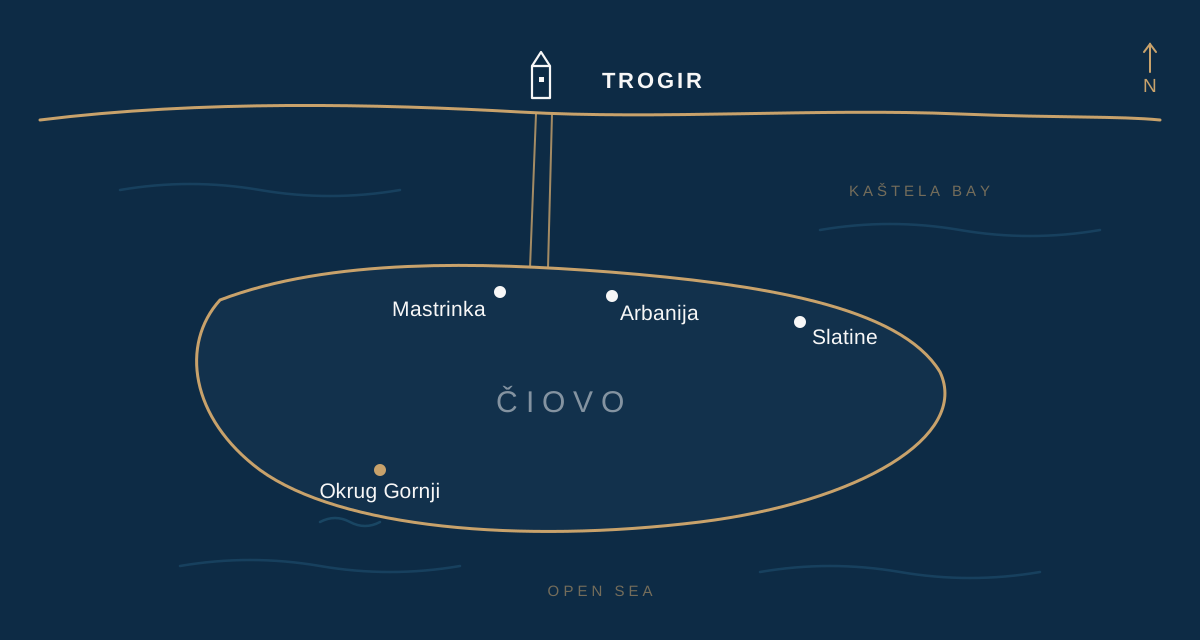
Why Čiovo appears in so many Trogir searches
Much of the newer coastal development buyers see in the area is on Čiovo — apartments with sea views, pools and parking spaces, a common holiday-home pattern in this part of the coast. Search for “Trogir” and many of the results will actually sit on the island; that isn't a mistake, it's geography. The nearest island districts function almost as suburbs of Trogir, a few minutes from the town's everyday life.
The difference is less about distance and more about rhythm: Čiovo runs closer to a summer beat than the town does, and how strongly you feel that depends on the village. If you're still weighing the island against the town or the coast next door, our Trogir vs Čiovo vs Seget comparison is the place to settle it.
How Čiovo is connected to Trogir
Čiovo is an island you can drive to: two bridges connect it to Trogir, so you get island scenery without ferry timetables. In practice that makes the island feel like an extension of the town for most of the year.
Honesty requires one caveat: traffic can be noticeable in peak summer, especially around the bridges, narrow island roads and changeover days. The practical consequence for buyers is simple — the further a village sits from the bridge, the more the island drive becomes part of everyday life. It's worth experiencing that drive yourself, ideally in season; our viewing trip guide covers how to plan exactly that.
The main areas on Čiovo
Okrug Gornji
The island's best-known and, in summer, liveliest village — facing the more open water, with a long beachfront known locally as Copacabana and a promenade of seasonal bars and restaurants. Year-round it is noticeably quieter, and parking can get tight in high season depending on the street. Swimming is close by almost everywhere, which is exactly why summer is busy.
Slatine
On the quieter northern shore, looking across the bay toward the mainland. Slatine is smaller and more village-like, with basic local amenities and a calm feel — particularly in winter. It is also the longest drive of the four to the bridge, which is part of why it stays quiet.
Arbanija
Also on the northern side, but closer to the bridge than Slatine. A quiet, practically located spot — island calm without the longest island drive, and with Trogir within easy reach.
Mastrinka
The closest of the four to the bridge; its nearest streets function almost as a Trogir suburb. A practical base for anyone who wants to live on the island but leans on the town daily — for work, school runs or simply the year-round infrastructure.
How the villages differ in character
| Okrug Gornji | Slatine | Arbanija | Mastrinka | |
|---|---|---|---|---|
| Setting | The more open-water side | North shore, faces the bay | North shore | Closest to the bridge |
| Summer | The liveliest — beach & promenade | Quiet, village-like | Calm | Calm, practical |
| Winter | Slows right down | Quiet | Quiet | Closest to Trogir's year-round life |
| Drive to the bridge | Across the island | The longest of the four | Shorter | The shortest |
A simple way to remember the shores: the northern side looks across the bay toward the mainland, while Okrug Gornji faces the more open water. Neither orientation is “better” — one buyer wants the open horizon, another the sheltered bay view — so judge it on site rather than by label.
And a word of winter honesty that applies island-wide: many seasonal bars and shops close, streets with a high share of holiday lets can feel empty, and owners typically rely on Trogir for almost everything in the quiet months. If year-round living is the plan, visit out of season before you decide.
Property types buyers meet on Čiovo
No prices here, deliberately — those belong to a conversation about a specific property. What matters at this stage is what each type asks of you.
Apartments
The island's most common offering, often in newer buildings that include a parking space — one of their quiet advantages. The everyday questions: floor and stairs, building maintenance and running costs.
Sea-view homes
Much of the region's sea-view supply is concentrated here — and “sea view” remains an elastic phrase. Floor, slope and the open plot in front decide more than the listing photo. Start with our sea-view apartments guide.
Newer developments
Modern layouts and more predictable condition, with their own paperwork for a lawyer to review. Weighing new against old? See new build vs old stone house.
Houses & renovation projects
Older village houses and renovation candidates exist on the island too, though less commonly than apartments. Read the stone house guide and the pre-purchase checklist early, not late.
Practical checks that matter on the island
- Parking. Newer buildings usually include a space — but confirm it for the specific property, registered rather than habitual. Older streets in Okrug can be tight in season.
- Access roads. For hillside spots: is the road up finished, lit and maintained year-round, and who is responsible for it?
- Summer traffic. Plan for the bridge and island roads at peak times — and do the drive to “your” front door once in August before you commit.
- Slope and stairs. On a slope, “first floor” can mean a flight up from the street or a flight down to it. Walk it, with luggage in mind.
- Distance to the beach. A view of the water and an easy daily swim are different things — check the actual walk, not the map line.
- Winter quietness. The cheapest due diligence you'll ever do is a visit in the quiet months. See Plan Your Viewing Trip.
- The view vs the listing photo. Stand on the actual balcony, look down before you look out, and identify every open plot between you and the water — our 12-point checklist and the sea-view guide cover how.
Which part of Čiovo may suit you?
-
Beach first, buzz welcome
Okrug Gornji may suit you if swimming close by and a lively summer scene are the point — and you're happy to accept the seasonal rhythm that comes with them.
-
Peace first
Slatine may suit you if village calm on the quieter northern shore matters more than proximity to the summer scene — and the longest drive of the four doesn't put you off.
-
Island calm, short drive
Arbanija or Mastrinka may suit you if you want the island feel with practical bridge proximity — especially if Trogir is part of your daily life.
-
Still comparing island vs town?
Read Trogir vs Čiovo vs Seget — or widen the map with Best Areas Around Trogir.
Choose the setting first
All four villages can be walked in a single day — ideally twice, once without an appointment. Notice where you slow down, then, and only then, look at specific properties there and check them as carefully as our checklist suggests. Buyers who choose the setting first tend to still like their choice in February.
When you're ready to see what homes on the island look like, browse the property section — we add entries one at a time and check each before it appears — or start from the guides hub.
How to use it
This is general orientation based on local knowledge and regular time spent in the area — not legal, tax or investment advice, and not a ranking or a recommendation to buy. Villages change, and every street is different, so treat it as a starting point for your own visits rather than a verdict. For costs, taxes and ownership rules, see the official Croatian sources listed in our buying guide.
Last updated: 10 July 2026.
Walk all four in a day
Browse the property section and plan a viewing trip — the differences between the villages are obvious once you're standing in them.
View properties on Čiovo